
The British Museum Vs National Gallery | The London Pass®

Published: July 17, 2024
British Museum, London

by Mia Russell

London's Cultural Showdown: British Museum vs. National Gallery

Are you ready to immerse yourself in the rich culture and history of one of the world's greatest cities? Then look no further than London's world-class museums and galleries! From the British Museum's ancient artifacts to the National Gallery's iconic masterpieces, there's something for everyone in this cultural wonderland. Plus, general admission to both is free!

Two of the most famous museums in London are the British Museum and the National Gallery. Both world-renowned institutions have loads on offer, so let's take a closer look at what you can expect from each.

The British Museum
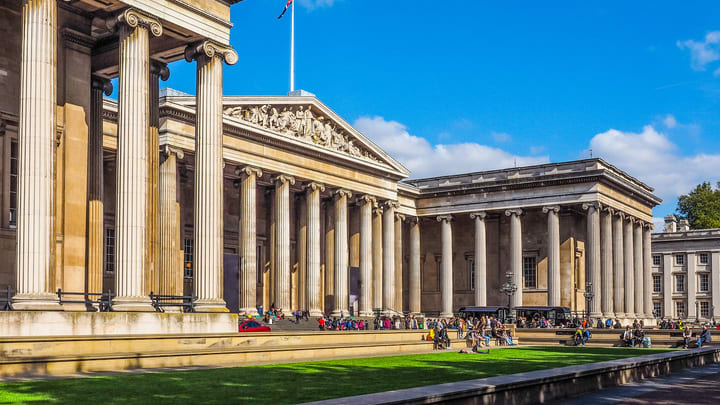
The British Museum is home to more than 8 million objects from around the world and is one of the largest and most comprehensive museums on the planet.

This massive institution is particularly well-known for its collection of ancient artifacts, ranging from Egyptian mummies to ancient Greek statues to Mesopotamian pottery. One of the most famous items in the collection is the Rosetta Stone, which helped scholars decipher Egyptian hieroglyphs. But that's just the beginning - there is so much to see here that you could easily spend an entire day (or more!) exploring the exhibits.

One of the things that sets the British Museum apart from other museums is the sheer scope of its collection. With objects from every corner of the globe, it is a true celebration of human culture and history. Whether you're interested in ancient Rome or modern-day Japan, there's something here for everyone.

Another unique aspect of the British Museum is the way it is organized. Instead of being arranged by region or time, the exhibits are arranged thematically. This means you can explore topics like religion, money, or technology and see how they have been represented in different cultures and periods. It is a fascinating way to think about how human society has evolved.

You can wander the galleries at your own pace or enjoy a guided tour led by experts who can provide context and insights into the objects on display. The museum offers free maps to help you navigate and plenty of benches and rest areas if you need a break.

The British Museum also has a dedicated children's area if you are visiting with kids. Here, kids can learn about history and culture in a fun, interactive way. Games, puzzles, and activities are designed to engage curious minds and inspire a love of learning.

And let us not forget about the amenities! The British Museum has plenty of places to eat and drink, including cafes and restaurants. There is also a gift shop to pick up souvenirs and books about the exhibits. And if you need a break from the crowds, there are plenty of quiet spots where you can relax and take in the beauty of the building itself.

The British Museum is a great institution that is well worth a visit. It's a celebration of human culture and history and a testament to the incredible diversity of our planet.

The National Gallery
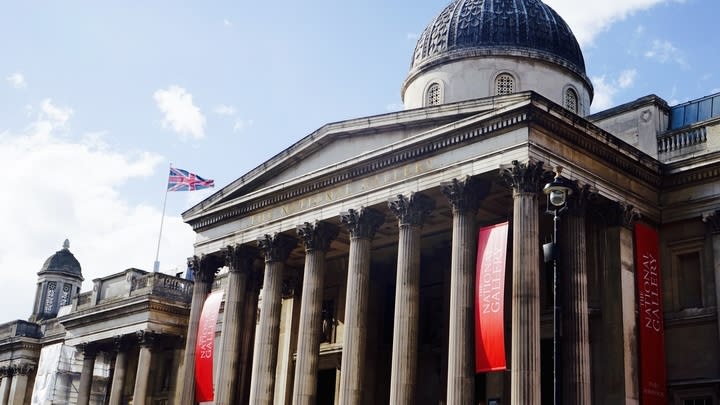
If you're a fan of art and culture, visiting the National Gallery in London should be on your bucket list. This world-renowned museum is home to some of the most iconic famous works of art in history, and it's a true feast for the senses.

The National Gallery's collection spans more than 700 years, from the Middle Ages to the present day. The focus here is on Western European art, so you will find works by some of the world’s most famous artists, like Van Gogh, Monet, and Leonardo da Vinci. The National Gallery is home to the most extensive collection of paintings by Van Gogh outside of Amsterdam, so if you're a fan of his work, you will not want to miss it.

The National Gallery’s collection is also organized by style and theme. This allows you to explore different movements and techniques more effectively. For example, you could explore the Baroque period and see how artists like Caravaggio and Rubens used light and shadow to create dramatic effects.

One of the most famous paintings in the National Gallery's collection is undoubtedly ‘The Arnolfini Portrait’ by Jan van Eyck. This stunning piece from the 15th century is a masterpiece of realism, with every detail of the room and the figures depicted in the painting meticulously rendered. But that is just one example - there are countless other masterpieces to discover here.

The National Gallery offers free guided tours daily, so that's a great option if you're seeking expert guidance. Alternatively, you can meander around the galleries and take in whatever catches your eye.

The National Gallery is in Trafalgar Square, one of London’s many famous landmarks. This means there's always plenty of buzz and activity in the area, making it a suitable place to people-watch and soak up the atmosphere.

The National Gallery has several cafes and restaurants where you can grab a bite to eat and a gift shop where you can pick up souvenirs and books about the exhibits. There's also a free Wi-Fi network to stay connected while exploring.

The National Gallery is a must-visit destination for anyone interested in art and culture. It's a true treasure trove of masterpieces and a testament to the enduring power of human creativity.

British Museum vs. National Gallery

Ultimately, deciding which museum to visit (or whether to visit both!) will depend on your interests. If you're more interested in history and artifacts, the British Museum is the obvious choice. But if you are more of an art buff, you'll want to spend some time at the National Gallery.

You will undoubtedly have a fantastic time regardless of which museum(s) you choose to visit. The British Museum and the National Gallery are world-class institutions offering a unique glimpse into the past and present.

Can't decide? That's no problem either, they're in walking distance from one another (or an easy tube ride if you prefer) and both totally free to enter so pick both and enjoy a culture filled day in London - spiffing!

Go City Expert
London Travel Expert

Build your unique London itinerary with our trip planner

Who's going?
Adult
1
Child (5-15)
0
How many days?

What do you want to see?

Continue reading

Blog

Explore London’s Music Scene: Past & Present

London music has evolved from Chas & Dave to the Sex Pistols to Congo Natty and back again. The capital city has been played by artists like The Who and the location of Jimi Hendrix’s last performance. The London sound is a reflection of its history, its diversity, and the creativity that comes with living in one of the most vibrant cities in the world. London Musicals London has some of the most legendary music venues in the world even though many have been lost to progress and development. When the Marquee Club closed down, a part of The Who, Jimi Hendrix, and Pink Floyd’s legacy went with it. The Hammersmith Palais is no longer an epic entertainment venue but the title of a song by the Clash. Regardless the city is still thriving musically, with a community of like-minded music lovers attending shows in small pubs, pop-up venues, and stadiums with a capacity of 80,000. Whether you’re a head-banger, alternative rocker, mod, punk, indie, or anything in between, London has a venue to cover all tastes. Take a look at what London music history holds: Dominion Theatre, Tottenham Court Road This theatre was built over the former Horse Shoe Brewery, the site of the 1814 London Beer Flood. The Dominion opened in 1929 and became well known for hosting musical shows. It wasn’t until 6th February 1957 that the hall saw its first proper rock and roll concert. Bill Haley and the Comets opened their British tour here where they were met my thousands of (atypically!) screaming British fans. The Roundhouse, Chalk Farm Road This Grade II* listed building has become one of the most famous music venues in London. This former railway shed saw The Doors play their only UK gig here in 1968 and by the early 1970s, DJ Jeff Dexter was a regular Sunday night feature. His shows helped launch the likes of David Bowie, Black Sabbath, Elton John, and The Rolling Stones to fame Punk arrived in 1976 and the Round House finished out the 70s with concerts from The Ramones, Patti Smith and The Strangers, Blondie, Elvis Costello, The Police, and so many more. After years of dereliction, the Roundhouse has risen from the ashes to become one of the capital’s best venues again. The Electric Ballroom, Camden High Street One of this venue’s claims to fame is it’s the location where Sid Sod Off – the last ever UK performance from Sid Vicious. Sid and his girlfriend Nancy wanted to move to New York and used the profits from this gig to do it. In 1979 Joy Division performed twice – around the same time U2 and Adam and the Ants were playing. In 2007, former Beatle Paul McCartney played a surprise gig for an exclusive audience. Dublin Castle, 94 Parkway Camden The famous late Camden resident Amy Winehouse was a regular at this lively pub. It’s an institution of the indie music scene and launched the music career of Madness. 100 Club, 100 Oxford Street This venue has seen change after change, but the spot has been music since 1941. The 100 Club’s roots are jazz and you’ll still find them playing it, but since the 1960s they’ve been throwing rock music into the mix. In fact, the name of the club came from its larger-than-life rock nights where The Kinks and the Animals played. In the late 70s they brought punk music into the venue with shows by The Sex Pistols and Siouxie; in the 1980s, the Rolling Stones took breaks from their huge stadium concerts for intimate shows. The increase in rents threatened the existence of the club in 2010 but a fundraising campaign helped its doors stay open to today. Eventim Apollo, Queen Caroline Street If you wanted to see some of the best gigs through London’s rock and roll heyday, you went to this Grade II* listed building in Hammersmith. Originally called the Hammersmith Apollo, it was renamed Hammersmith Odeon in 1962. It is known as the Eventim Apollo through sponsorship. The Beatles played their second Christmas show here in 1964 – it ran for 3 weeks and sold out its 100,000 tickets. The show involved music, comedy sketches, and special guests which made for a uniquely British holiday experience. Affectionately known as Hammy-O, this venue was just for live music. Live albums Alchemy by Dire Straits and appropriately titled No Sleep to Hammersmith by Motorhead were also recorded here. Royal Albert Hall, Kensington Gore This historic venue dates back to the 1800s and was named after Queen Victoria’s husband Prince Albert. From the 1960s it has been used regularly to pop and rock concerts, which is when Cream performed their last show and Bob Dylan upset some of his folk purist fans by playing an electric guitar – the horror! The Beatles, The Rolling Stones, and the Beach Boys are just a few of the legendary names to have graved the stage of what is the grandest venue in London. Ronnie Scott’s, Frith Street Primarily a jazz club, Ronnie Scott’s club in Soho is also a hotspot for rock music. The Who deafened an audience of journalists when the band launched their album Tommy here in 1969. It’s also the location of a sad farewell as Jimi Hendrix gave his last live performance here in September 1970. Up on a Roof, 3 Savile Row Savile Row may be known for Georgian townhomes and upscale bespoke tailors but this Mayfair street housed the Beatles’ Apple Corps Ltd group of companies. On 30 January 1969, the roof of Apple headquarters marked the group’s final performance and one of the all-time greatest moments in popular culture. The Beatles got up onto their roof and had a set list of five songs. Their neighbours were no pleased with the surprise performance and called the police. When they arrived they stayed to watch the show. The performance was stopped after 42 minutes but the footage lives on. The building is now a branch of Abercrombie Kids. London Landmarks Abbey Road Most of the Beatles records were made at EMI Studios in St John’s Wood in North London. They named their last recorded album after the road where the studios were situated: Abbey Road. The photograph on the front cover was taken on the zebra crossing right by the studios. Ever since that album release, millions of people have made their way up to St John’s Wood in order to replicate the famous photo – at the expense of their safety and traffic flow. Abbey Road Studios have estimated 300,000 people come every year, making it one of the top 20 most visited tourist attractions in London. Ziggy Stardust Another one of the most imitated album covers is David Bowie’s Ziggy Stardust which was photographed outside 23 Heddon Street, near Regent Street. Here is where visitors come to stand by the phone booth where David Bowie once stood. The Clash The photograph on the cover The Clash’s eponymous first album was taken on the steps right outside the Stables Market in Camden Town. This is where they had their rehearsal rooms. Animals Pink Floyd’s album cover for Animals shows Battersea Power Station with a large inflatable pig tied to its recognisable chimneys. During the photo shoot the pig came loose and drifted skywards. It caused a lot of confusion amongst pilots flying in and out of Heathrow airport! Subterranean Homesick Blues Bob Dylan shot the video for this song at the back of the Savoy Hotel where he was staying during his 1965 UK tour. Two Virgins 34 Montagu Square in Marylebone has an exciting rock and roll history. Ringo Starr and his new wife Maureen moved into this apartment in 1965. Later, Paul McCartney recorded demos of Eleanor Rigby with a portable recording studio. Jimi Hendrix lived at this address with his girlfriend Kathy Etchingham and manager Chas Chandler. The trio were replaced by John Lennon and Yoko Ono and became the location of their famous naked photo that graced the cover of their Two Virgins album. Dedicated Followers of Fashion There has always been a connection between music and fashion, and London has many places where the art forms collide. The King’s Road in Chelsea has been associated with fashion and music since the 1960s when Mary Quant opened her first shop here. Later on the wonderfully named Granny Takes a Trip opened at 488 King’s Road. The street became known for being the place where The Beatles and Jimi Hendrix shopped, meanwhile internationally renowned fashion designer Vivienne Westwood owns a shop called World’s End at No. 430. The shop has had many names over the years and when it was co-owned by Malcom McLaren, one of the minds behind the Sex Pistols, it was called Sex. The members who would later form the band were regular patrons at the store. Another street associated with music and fashion is Carnaby Street in Soho. It became popular with the Mod crowd in the 60s. The area was no stranger to The Who and The Small Faces who bought clothes there regularly. Carnaby Street was mentioned in The Kinks’ song Dedicated Follower of Fashion: “Everywhere the Carnabetian army marches on, Each one a dedicated follower of fashion”. And that's everything you need to know about London's historic music scene! Of course, there are a tonne of amazing London attractions to experience in the city, so why not see them all and save with a London Pass? 
Vanessa Teo
Blog

Beefeater Gin Distillery Tour: FAQs

OK, so what happens first? First off is a self-discovery tour - ‘Self-discovery’? I don’t go to gin distilleries to discover myself. It’s just the term they use...how is ‘self-guided’ for you? Yeah, that I can deal with. Go ahead. Thanks. So first off is a self-guided tour around a museum revealing the history of gin in London. You’ll find out how gin was first created and how international factors and bold personalities turned it into London’s drink of choice and the world’s most popular cocktail spirit. And, of course, you’ll learn about how Beefeater Gin came to be and how it set itself apart as an iconic London gin. And then - I get to drink some gin. Nope, not yet. You still haven’t had a distillery tour. This part is guided. You’ll head into the distillery and learn about the hand-crafted production process behind every bottle of Beefeater Gin. The Kennington distillery still hand-crafts their gin to a secret recipe that hasn’t changed since the 1800s. So there’s a lot of history in this place, and totally authentic London Dry Gin is all they produce. Your tour guide will also break down the different ingredients that go into their gin, and you’ll learn just what a sensory balancing act is going on inside it. And then - I get to drink some gin? Yes, you get to drink some gin. But this is a tutor-led comparative tasting session of gins from across the Beefeater range. You’ll be picking up on differences both clear and subtle, and learning all that gin-tasting vocab that will make you so fun to talk to at parties. OK, I’ve finished that. My favourite was that one. And that one. And....that one. Well, that’s all of them. Yeah, I’m pretty keen on gin. Something of a connoisseur. I see. Well, the bold finish to the Beefeater Gin Distillery Tour is a complimentary Beefeater Gin and Tonic. If you’re under 18, you get a complimentary soft drink. Suckers. Ok, yep, well that’s the main tour completed. Any questions? Yes, can I bring my eight year old? No, nine and up only. How much does it cost? Adult tickets (18 - 59 years old) cost £15. Children get in free, but remember that under 9s can’t come in. Concessions (Over 60s and Students) cost £13.50. But guess what...entry is included with the London Pass. Is there a VIP experience available? Yes. Hosted on select Fridays, VIP tours give you more info, more access and more gin. They last about two and a half hours and kick off at 10.30am. Children cannot join the tours. 18 and above only. It costs £40 and is not available with the London Pass. How long does the Beefeater Gin Distillery Tour last? Around an hour and a half. What are the opening hours and tour times? Monday to Saturday, the distillery is open to visitors from 10am until 6.30pm. Last entry is at 5pm. They are closed on Sundays, Christmas Day and Boxing Day. The first guided tour leaves at 11am, and they run on the hour, every hour. The last tour leaves at 5pm. On Bank Holidays, the distillery is open from 11am until 4.30pm, with the last admissions at 3pm. Is the Beefeater Gin Distillery Tour accessible for wheelchairs? Yes, it is fully wheelchair accessible. Are there any multimedia aspects? What a strange way of asking that question. Yes, there’s an app that you use on a complimentary hire iPad. Is there a shop at the distillery? Yes, right at the start. Do they sell gin? Strangely, no. What? Yes, of course they do. Little souvenirs and bottles of gin. You’ll love it. Fancy a drink out in the sunshine? Read our guide to London's best rooftop bars.
Matthew Pearson
The London Eye
Tower of London

Have a 5% discount, on us!

Sign up to our newsletter and receive exclusive discounts, trip inspiration and attraction updates straight to your inbox.

Tower Bridge
St Paul’s Cathedral